Imagine sitting down to play your favorite piece. You press the keys but instead of a rich melody you hear a sharp-jarring discord. That single sour note feels like a sudden betrayal from an old friend.
If you own an acoustic instrument in Kenya, you are battling the subtle shifting humidity of our climate. From the damp chill of July to the dry heat of January, your instrument’s wood constantly expands and contracts pulling thousands of pounds of string tension completely out of alignment.
Piano Tuning in Kenya: Costs, Servicing and Maintenance Explained
Many owners believe they only need a technician when the keys sound visibly out of tune. This misconception can silently ruin your instrument and drain your wallet.
Regular Piano Tuning is the only way to counteract the structural shifting caused by local weather patterns. When you neglect your strings, the soundboard loses its crown and a simple tune-up escalates into an expensive, major structural repair.
The Real Cost of Piano Maintenance
When an acoustic model sits untuned for more than a year, the overall pitch drops significantly below the international concert standard of A440 Hz.
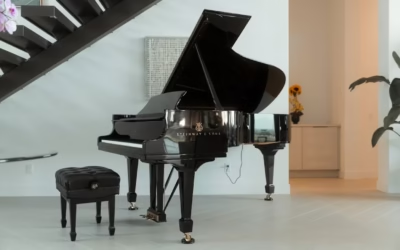
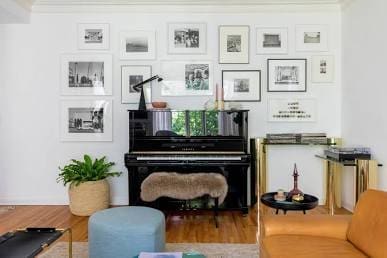
- Upright Pianos: Typically cost KES 8,000 to KES 10,000 per visit, depending on the condition and your location.
- Grand Pianos: Typically range from KES 10,000 to KES 20,000 per visit.
- The Pitch Raise Penalty: If your instrument drops too far, a technician must perform a grueling “pitch raise” over multiple visits to safely increase tension without snapping the strings.
Piano Servicing vs. Tuning: What is the Difference?
While tuning purely adjusts string tension to restore the correct pitch, it is only one part of proper instrument care.
Comprehensive piano servicing goes much deeper into mechanical health. It includes action regulation to fix sticky keys, hammer voicing to balance the tone and detailed internal cleaning to remove dust and debris.
See Related: [Best Piano Brands in Kenya: A Buyer’s Guide for 2026]
Why It Matters for Students and Classrooms
If the instrument is heavily used for daily practice or piano teaching, a well-maintained instrument is non-negotiable. An in-tune piano trains a student’s ear correctly and builds immense confidence before major graded music exams or public recitals.
Smart Alternatives: Sourcing and Protecting Your Instrument
If you are hosting a corporate event in Westlands, a wedding in Karen or just want to try an acoustic model before buying, committing to permanent ownership can feel incredibly daunting.
Fortunately, high-quality piano rentals offer an excellent, flexible alternative. Many premium rental packages handle the heavy lifting and climate-controlled transport for you. Always ask your provider for a pre-delivery tune-up to ensure your rental arrives concert-ready.
Quick Checklist for Choosing a Technician in Kenya
- Verify their direct experience and ask for references.
- Get clear upfront pricing for assessment, standard tuning and servicing.
- Ensure they inspect the internal soundboard and pinblock before quoting.
Featured-Snippet Friendly FAQ
Q: How often should you tune a piano in Kenya?
A: You should schedule a session at least twice a year for normal home use. Highly used instruments in schools, churches or commercial spaces require quarterly tuning.
Q: Where should I place my piano to prevent detuning?
A: Keep your instrument away from direct sunlight, open windows, exterior walls and air conditioning units to stabilize internal humidity levels.
Conclusion: Restore the Soul of Your Music Today
Your instrument is a living centerpiece of engineering, craft and art. Don’t let changing seasons or missed maintenance sessions quietly strip away its beautiful voice or compromise its long-term resale value.
Whether you are managing a rental, running a busy school or preserving a beloved family heirloom, proactive care is your best protection. Contact our certified technical team today to schedule your comprehensive Piano Tuning and precision alignment.